
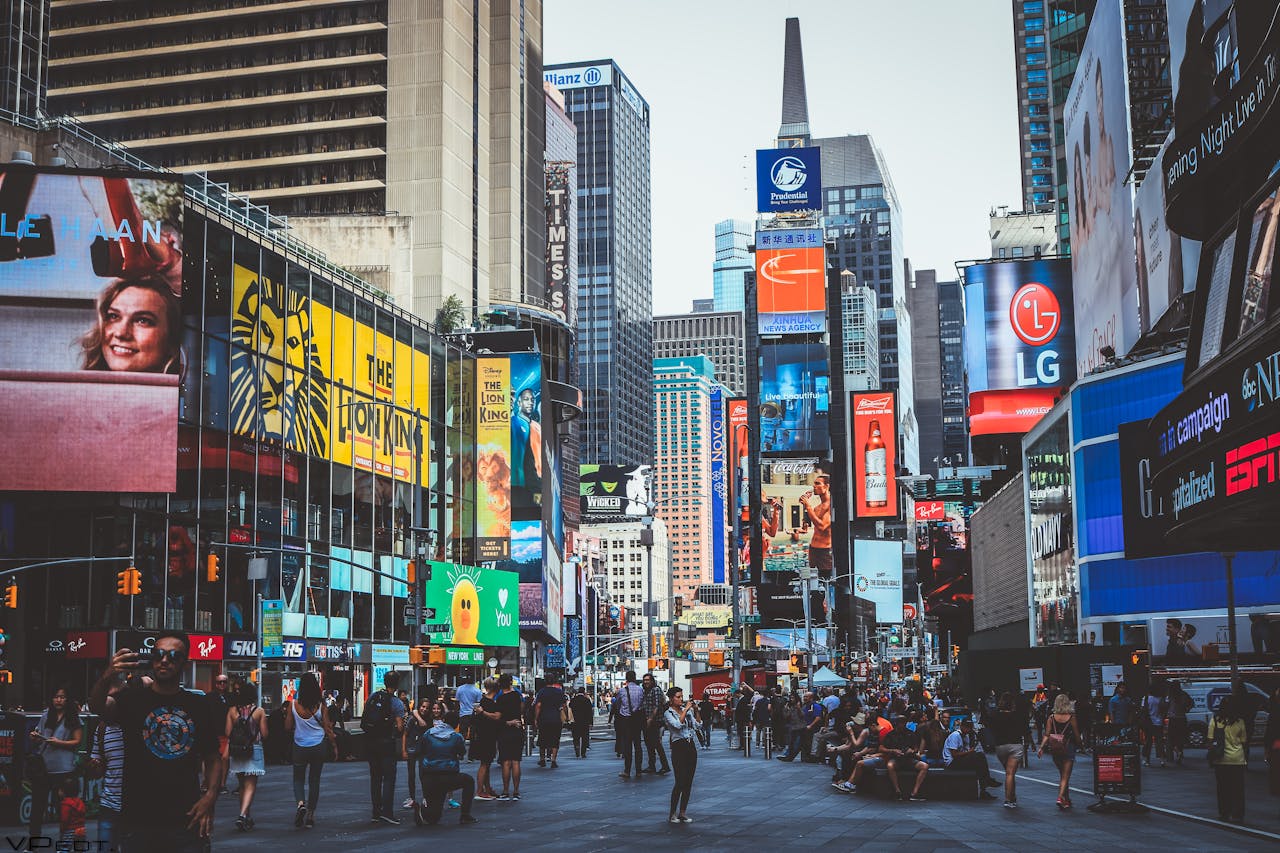
In the hustle and noise of city life, where traffic drones on and buildings crowd the skyline, billboards loom large—literally and figuratively. Once seen merely as visual clutter or sales-driven noise, billboards are undergoing a surprising transformation. They’re becoming canvases. They’re becoming conversation starters. They’re becoming art.
This shift isn’t just about aesthetics; it reflects a deeper change in how we interact with the urban environment. In many cities across the globe, the line between commercial advertising and public art is blurring—and nowhere is this more visible than on the billboards above our heads.
The Evolution of Outdoor Advertising
Outdoor advertising has long relied on the billboard’s eye-catching nature. Its very purpose is to grab your attention while you’re doing something else—driving to work, waiting for a bus, walking your dog. Traditionally, the formula was simple: bold graphics, snappy slogans, and a strong call-to-action. But in today’s saturated media landscape, where everyone is bombarded with content, standard advertising techniques often fall flat.
Marketers quickly realized that to cut through the noise, they needed to do more than just sell. They needed to inspire, provoke, entertain, and even beautify. And so, advertising began borrowing from the world of fine art—not only in style but in intention.
When Art Meets Marketing
One of the earliest and most notable examples of this shift occurred in the early 2000s with Apple’s iconic iPod silhouette campaign. While it was undeniably an advertisement, it had a bold visual language that mimicked pop art—colorful, abstract, rhythmic. It didn’t feel like a hard sell; it felt like a celebration of music and movement.
Fast forward to today, and the concept has evolved further. Luxury brands like Gucci, Prada, and Louis Vuitton have started commissioning renowned contemporary artists to design billboard campaigns that resemble gallery installations more than ads. In Los Angeles, Gucci’s collaboration with artist Ignasi Monreal transformed a Sunset Boulevard billboard into a surreal Renaissance-inspired painting. No product shots. No prices. Just a striking image and a logo. It was advertising—but it was also undeniably art.
Billboards as a Democratic Art Form
What makes this fusion especially powerful is its accessibility. Museums and galleries, while vital, often come with barriers—geographical, financial, or social. Public art, by contrast, is open to everyone. You don’t need a ticket or an invitation. You just need to be there.
By placing artistic billboards in everyday spaces, cities become open-air museums. A driver stuck in traffic might glance up and see a thought-provoking mural. A pedestrian might pause to snap a photo of a poetic visual that sparks reflection or joy. These moments may be fleeting, but their impact is real. They turn the mundane into the meaningful.
In cities like London, New York, and Tokyo, organizations and art collectives are now partnering with advertisers and outdoor media companies to curate billboard art exhibitions. Projects like “Art Everywhere” in the UK and “For Freedoms” in the U.S. have transformed thousands of advertising spaces into rotating showcases for contemporary art, making powerful cultural statements while redefining the visual landscape.
Ethical Considerations and Creative Tension
Of course, this blend of art and advertising doesn’t come without its critics. Purists argue that when art becomes a tool of commerce, it risks losing its soul. After all, can something truly be called art if its primary purpose is to drive consumer behavior?
But this tension between expression and commerce is nothing new. Artists have always grappled with patronage, whether from churches, monarchs, or modern brands. The question, then, isn’t whether art and commerce should mix—but how.
When done thoughtfully, this fusion can elevate both. It challenges brands to be more thoughtful and authentic. It gives artists new platforms and audiences. And it invites the public into a more visually stimulating and emotionally resonant world, even if only for a moment at a red light.
The Future of Urban Aesthetics
As technology evolves, so too does the canvas. Digital billboards are opening up new creative possibilities—animated visuals, interactive features, real-time content updates. Imagine a billboard that changes based on the weather, or one that responds to current events. With these advancements, the boundary between ad and artwork becomes even more fluid.
Cities are beginning to recognize the value of this fusion, not just for brands or artists, but for civic identity. Artistic billboards contribute to a city’s culture, make neighborhoods more vibrant, and can even boost tourism. In some areas, billboard art installations are used strategically to revitalize urban spaces and foster community pride.
A New Kind of Canvas
Ultimately, the fusion of art and advertising is a reflection of modern life itself—messy, multimedia, overlapping. We live in a world where content is constant and messages are everywhere. In this reality, billboards are no longer just tools of persuasion; they’re part of our shared visual culture.
When done well, they can make us pause. Think. Smile. Wonder.
And in those moments, even the most cynical city-dweller might admit: maybe not all ads are bad. Maybe, just maybe, some of them are art.
Leave a Reply